
How often have we, as marketing professionals, pitched social media as a vital part of a campaign, only to be met with skepticism from B2B clients? The conversation typically includes a dismissive lecture on why social platforms aren’t suited for their industry—plus the inevitable, half-joking question: “So, should we do a TikTok dance?” Cue the suppressed laughter.
The simple fact, is that social media communication has become an essential component of modern marketing, but while its effectiveness in business-to-consumer (B2C) marketing is widely recognised, its role in business-to-business (B2B) marketing is still evolving. The digital transformation of professional networking, content marketing, and lead generation has made social media a powerful tool for B2B companies, helping them build credibility, nurture relationships, and drive sales.
However, simply repurposing traditional consumer social media strategies for B2B audiences can be a mistake. To leverage social media effectively in B2B marketing, businesses must understand how it differs from consumer-focused marketing and how to maximise its advantages while avoiding common pitfalls.
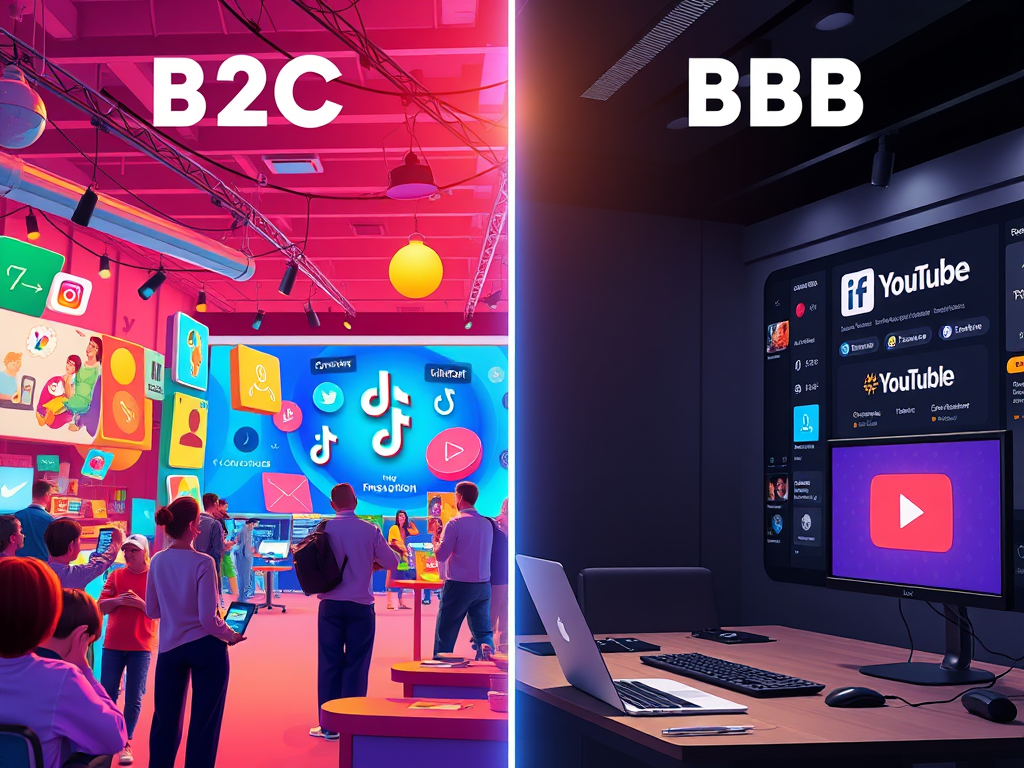
The Differences Between B2C and B2B Social Media Marketing
B2C social media marketing is largely about engaging and entertaining consumers. The focus is on creating emotionally resonant content, leveraging influencers, and driving impulse-driven interactions that lead to conversions. Platforms like Instagram, TikTok, and Facebook thrive on viral trends, short-form video content, and interactive engagement.
B2B social media marketing, however, serves a different purpose. Business buyers are not making impulse purchases; instead, they follow a longer decision-making process that involves research, comparisons, and approvals from multiple stakeholders. Social media in this space must be informative, authoritative, and trust-building. LinkedIn, X (formerly Twitter) and YouTube are primary platforms for B2B communication, as they allow businesses to share thought leadership, engage with industry discussions, and distribute long-form content such as whitepapers, webinars, and case studies.
Pros of Applying Consumer Social Media Approaches to B2B Marketing
While B2B marketing must be distinct from B2C, some consumer social media strategies can be successfully adapted to business marketing. Here are some advantages of doing so:
1. Humanizing the Brand
Consumer social media marketing often prioritizes brand personality and relatability. Applying this to B2B can help brands stand out in what can often be a dry and corporate space. Showcasing behind-the-scenes content, employee spotlights, and authentic company culture posts can create a more approachable brand image.
2. Leveraging Video Content
Short-form and engaging video content, popular in consumer marketing, is increasingly effective in B2B. Informational videos, customer testimonials, and behind-the-scenes insights can be shared on LinkedIn, Twitter, and YouTube to drive engagement and simplify complex business solutions.
3. Interactive and Engaging Content
B2C brands use polls, quizzes, and Q&A sessions to engage with their audience. B2B companies can implement similar strategies in ways that make sense for their audience, such as running LinkedIn polls on industry challenges or hosting live Q&As with experts.
4. Influencer and Employee Advocacy
Consumer brands rely heavily on influencers to promote products, and a similar strategy can work in B2B through thought leaders and employee advocacy. Encouraging employees and executives to share content amplifies reach and enhances credibility.
5. Real-Time Engagement and Customer Service
Just as consumer brands use social media for customer support, B2B companies can benefit from real-time engagement. Responding quickly to industry discussions, providing helpful insights, and engaging with customer inquiries can strengthen brand reputation and trust.
Cons of Applying Consumer Social Media Approaches to B2B Marketing
Despite the advantages, there are limitations to adopting a B2C-style social media approach in B2B marketing. Here are some key concerns:
1. Misalignment with Professional Audiences
B2B buyers are looking for value-driven, insightful content, not entertainment or superficial engagement. An over-reliance on viral trends or casual content might make a company appear less credible or serious, potentially alienating decision-makers.
2. Short-Term Focus vs. Long-Term Relationship Building
Consumer marketing often prioritises immediate engagement and conversions, whereas B2B relationships take time to nurture. Over-emphasising short-term metrics, like likes and shares, can distract from the long-term goal of lead nurturing and trust-building.
3. Inconsistent Branding and Messaging
Consumer social media marketing often embraces spontaneity and fast-paced trends. However, B2B marketing requires consistency in branding, messaging, and tone. A disjointed social media strategy that follows every trend without aligning with the company’s core messaging can confuse and deter potential clients.
4. Difficulty in Measuring ROI
B2B sales cycles are longer and more complex than those in B2C, making it harder to track direct social media ROI. While B2C brands can quickly measure engagement translating to purchases, B2B companies often struggle to connect social interactions to final deals, requiring more sophisticated tracking and analytics.
5. Platform Suitability Challenges
Not all social media platforms used in consumer marketing are effective for B2B. While Instagram and TikTok may work well for brand awareness in certain industries, LinkedIn, Twitter, and YouTube remain the most valuable for B2B engagement. Using the wrong platforms or content formats can lead to wasted resources and missed opportunities.
Best Practices for B2B Social Media Communication
To maximise the benefits of social media in B2B marketing while avoiding potential pitfalls, companies should adopt the following best practices:
- Prioritise Thought Leadership
B2B buyers want to work with experts. Sharing insightful blog posts, industry reports, whitepapers, and case studies establishes credibility and authority in the industry.
2. Use a Strategic Content Mix
A balance of professional and engaging content is key. Combine educational long-form content (such as webinars and in-depth guides) with more accessible and engaging posts (such as industry-related memes or expert commentary).
3. Engage in Industry Conversations
Rather than simply broadcasting content, B2B marketers should engage in discussions by commenting on industry news, joining LinkedIn Groups, and participating in relevant Twitter conversations.
4. Leverage Employee Advocacy and Thought Leaders
Encouraging employees, executives, and industry influencers to share company content helps increase organic reach and credibility.
5. Align Social Media Goals with Business Objectives
Rather than focusing solely on engagement metrics like likes and shares, B2B marketers should track metrics tied to business outcomes, such as lead generation, content downloads, webinar sign-ups, and website visits.
6. Optimise Content for Each Platform
Understanding the nuances of each platform is crucial. LinkedIn is ideal for in-depth industry insights, Twitter works well for quick updates and discussions, and YouTube is excellent for informative video content.
7. Utilise Paid Advertising Strategically
While organic reach is important, targeted paid advertising can help reach key decision-makers. LinkedIn Ads, for instance, offer precise targeting options for reaching specific industries and job titles.
Conclusion
Social media communication is increasingly important in B2B marketing, but it requires a strategic approach different from traditional consumer marketing. While adopting some B2C social media tactics—such as video content, interactivity, and humanized branding—can enhance engagement, B2B marketers must remain focused on building long-term relationships, establishing authority, and driving business value. By understanding the unique dynamics of B2B social media, companies can create meaningful connections with their audience while driving sustained business growth.
 K R O W N E